
Two decades of union news, migrated without losing a page
01 — The brief
A union runs on communication, and the archive is part of it
When bargaining is live or a dispute is running, members need the union's version of events quickly, and they need to be able to find what was said last time.
Two decades of union news, from 2005 conference reports to this year's Employment Court decisions, is not archive material to a union. Members and officials cite it, and it has to stay online and stay findable.
The brief was a site that publishes fast, keeps everything, and puts the documents members actually need, the collective agreement, pay appendices, shift calendars and membership forms, one click from the home page.
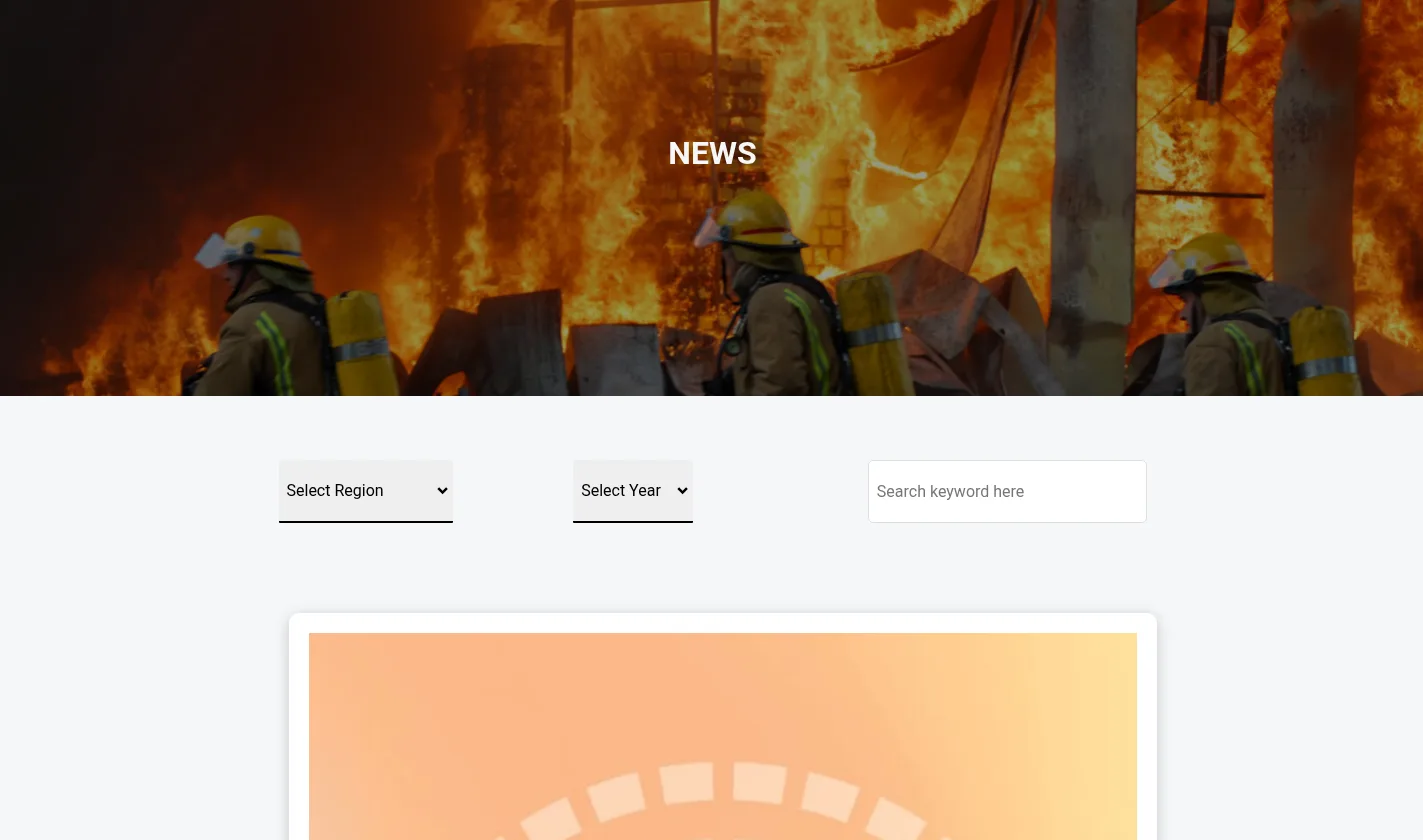
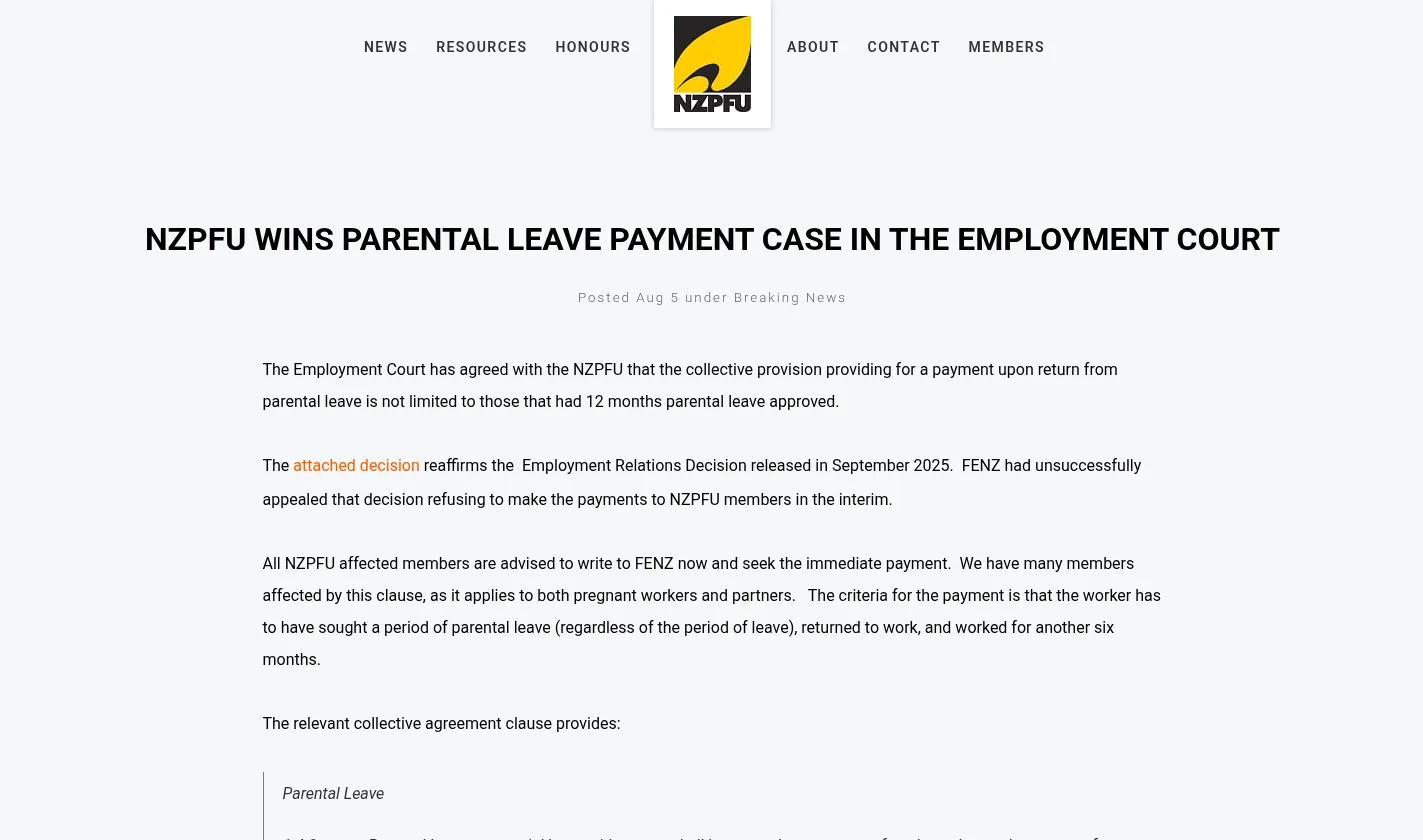
Two thousand and forty one news items The news archive runs unbroken from the mid 2000s to today, with breaking news flagged and the newest items on the home page. Nothing was dropped in the move, which for a union is a matter of record rather than a nice to have.
By the numbers
The scale of a working union site
Feature
Urgency is the point. The union needs to reach members on shift, so the site pairs published news with subscription channels that push it out, at national and local level.
- Email newsletter subscription for members and supporters
- Discreet SMS alert service for member only notifications
- Breaking news flagging on the home page
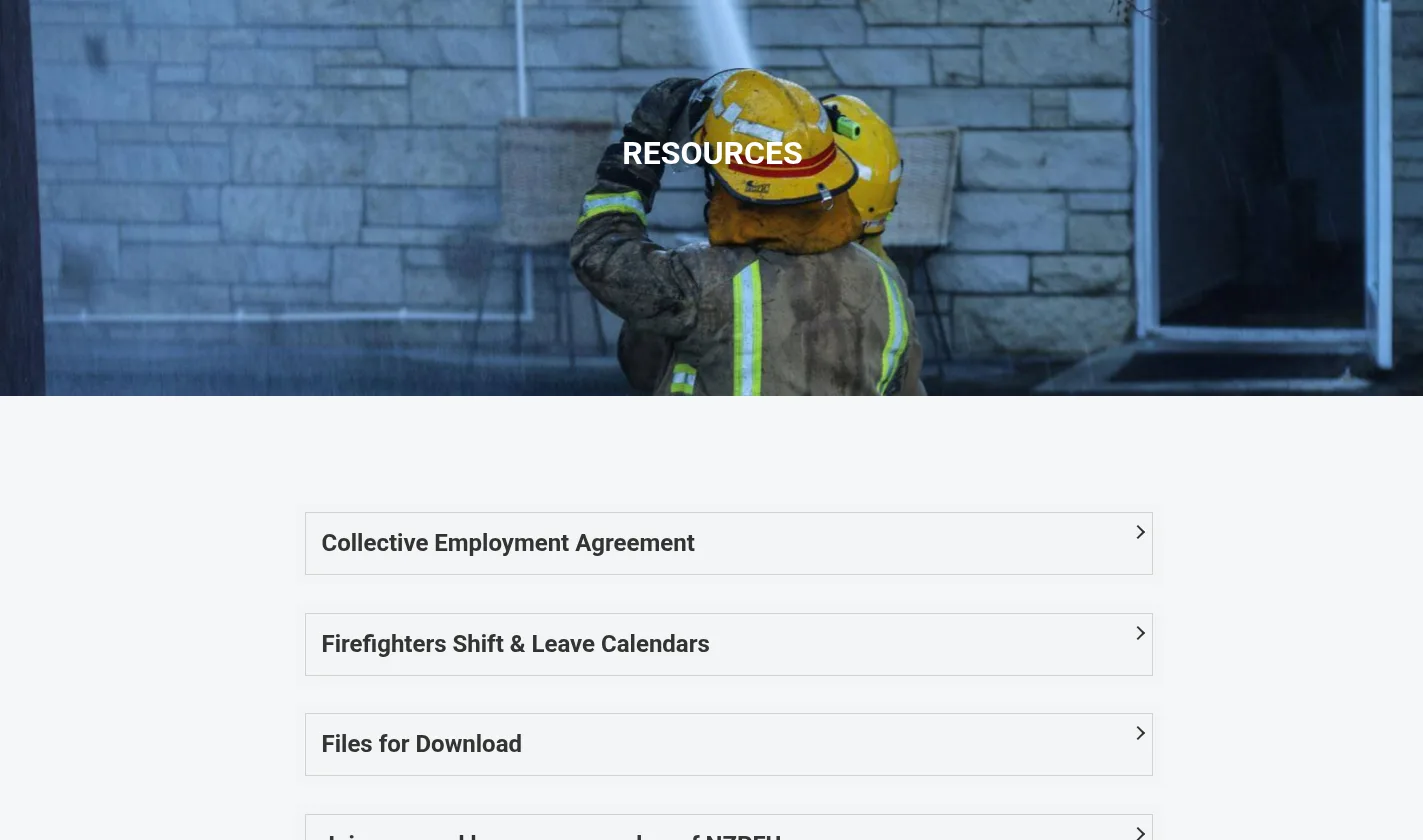
- Collective agreement, terms of settlement and pay rate downloads
- Shift and leave calendars published years ahead
- Membership, subscription and nomination forms as downloads
Recognition
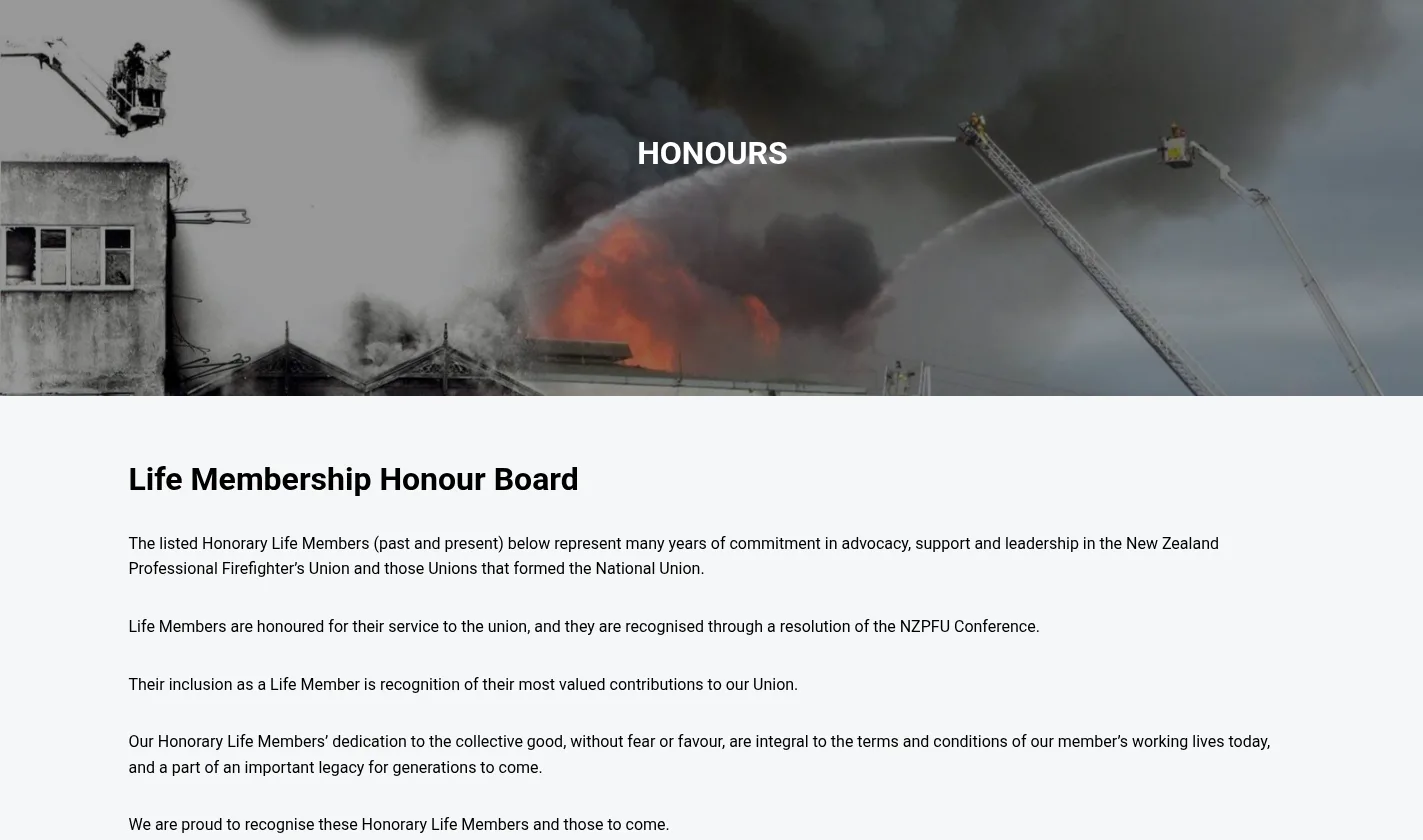
An honour board, kept properly
Life Membership is conferred by resolution of conference, and the site is where that record lives.
Honorary Life Members are listed by the year they were recognised, from 1991 onwards, with their station or city, and those who have died acknowledged.
It is a small part of the site that matters enormously to the membership, so it is treated as a permanent record rather than a page that gets tidied away in the next redesign.
02 — The process
How we got there
- 01
Auditing the archive
Every existing news item, document and contact was accounted for before the migration, because a union cannot quietly lose its own record.
- 02
Designing for urgency
A news first home page with breaking news treatment, built to be read on a phone at a station rather than at a desk.
- 03
Migrating two thousand posts
The full archive was moved with its dates intact, so citations and internal references still resolve.
- 04
Rebuilding the resources library
Collective agreement documents, pay appendices, calendars and forms, structured so the union adds a document without help.
- 05
Alerts, locals and te reo
Newsletter and SMS subscription, three branches and 19 locals with their own officials and contacts, and the union's name in te reo Maori carried through the site.
Contacts for every local Three branches and 19 locals each have their own officials, addresses and mobile numbers on the site, which is how a member in Kawerau or Invercargill reaches the right person instead of the national office.

03 — The outcome
A communications tool, not a brochure
The union publishes several times a week and reaches members the same day.
News goes up, the newsletter and text alerts push it out, and the archive behind it stays intact and searchable for the next round of bargaining.
Members find the collective agreement, their pay rates and their shift calendar without asking an official for a PDF.

Ready for a website like this?
Let's build the next one together
Design, build, content and search, handled by one Auckland team.